
What the Curaçao register returns for this domain
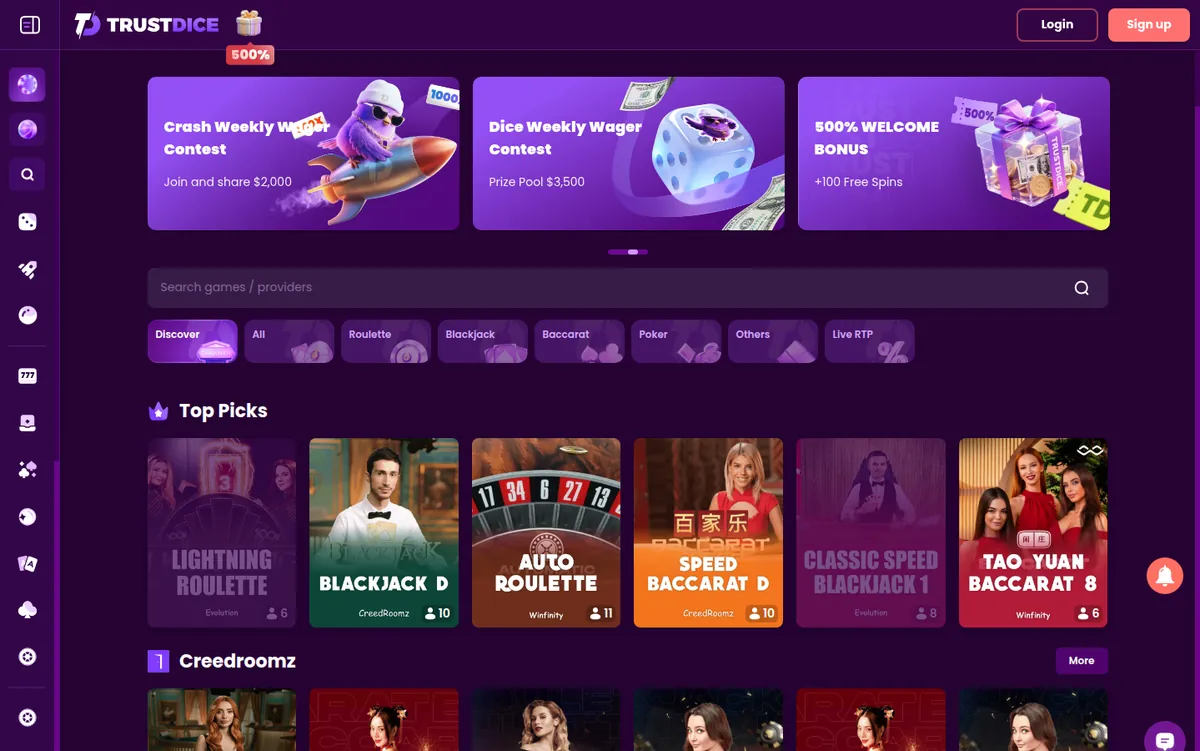
Searched on its domain on 26 August 2026, the Curaçao certificate portal returns an active Certificate of Operation for trustdice.win: licence number OGL/2024/664/0280, held by Satoshi Gaming Group N.V., company number 151832, granted 16 July 2024.
An earlier version of this page printed a different number, 8048/JAZ, described as a legacy master licence from the superseded sub-licensed system. That number is not what the register returns, and nothing in the material read for this site supports it, so it has been removed rather than kept alongside the register entry.
The distinction is worth keeping in view because the two formats mean different things. A modern OGL/2024/… certificate is issued to the operating company directly by the Curaçao Gaming Authority and is searchable by domain, which is what makes it checkable by a reader. The older master-and-sub arrangement placed a licence holder between the regulator and the site, and a number from that system does not resolve the same way. What TrustDice has is the first kind. That is evidence the operator exists as a licensed entity and that a regulator has a file on it; it is not evidence that a withdrawal will be paid. If you want to run the check yourself, the licence registers and what recourse exists page sets out the search and its limits.
What the terms leave open on withdrawals
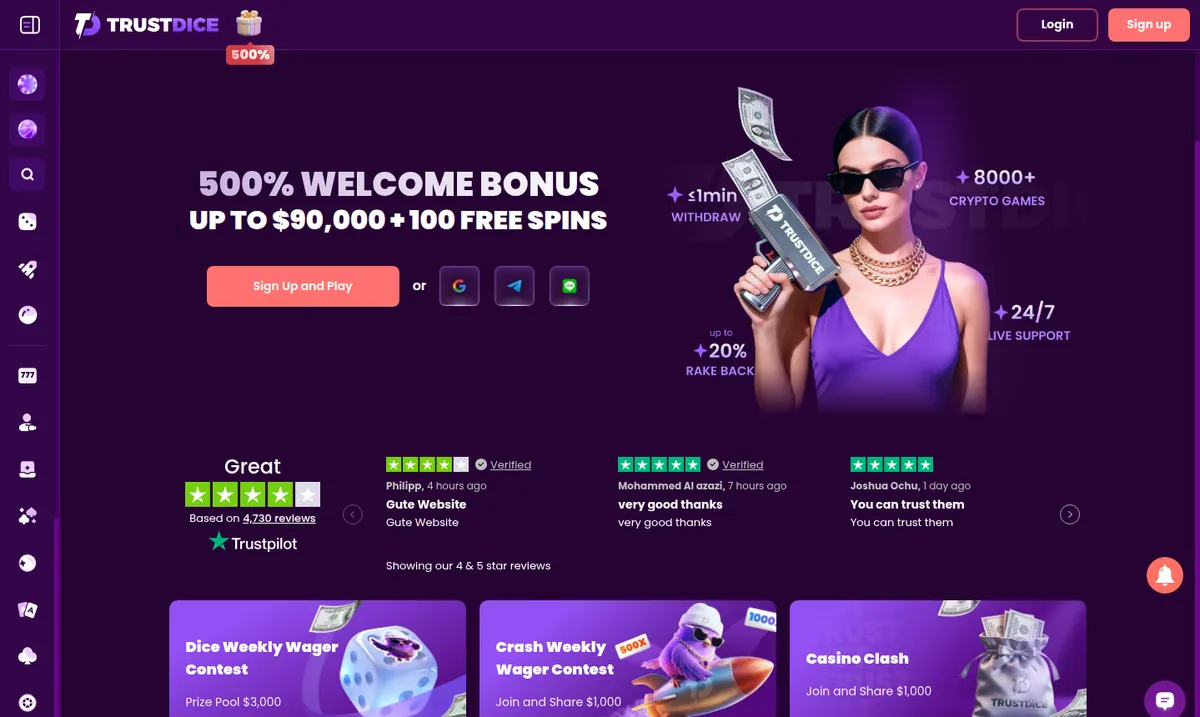
That is a floor, not a promise: the operator can still hold a withdrawal for review. The withdrawal limit before an ID check is blank in the record, and the process runs case by case. That means a small withdrawal may leave in minutes if the account is already verified, but a first withdrawal may sit while documents are requested. The wider product includes 8,000 games from 50 studios, a sportsbook, and a set of in-house originals; the provably fair column reads No, because the operator’s marketing uses the phrase while no seed-verification page of its own was read. Payout speed claims should be read against the withdrawal review process, not the game library. Before relying on that 3-minute number, read written withdrawal caps and understand what triggers an ID check, and threshold scopes.
From New Zealand: practical points
New Zealand banks often decline card payments to gambling merchants, so a crypto-only funding path is relevant. TrustDice accepts 20 coins, but any crypto deposit still carries a currency round trip from NZD through an exchange. Consider the currency exposure and the NZD round trip before funding. Sign-up requires only an email address, but that does not mean no verification later; the operator can request documents before a withdrawal. Because the operator’s risk desk works European hours, a New Zealand morning is their night; a withdrawal flagged for review may not be seen until late afternoon NZT. The restricted-countries clause has not been individually confirmed for this operator; read the terms before depositing.
Unpublished terms create three gaps
A blank field is worse than a mediocre published number, because the operator stays free to fill it in any way, at any time, once your money is in. TrustDice has three gaps worth noting:
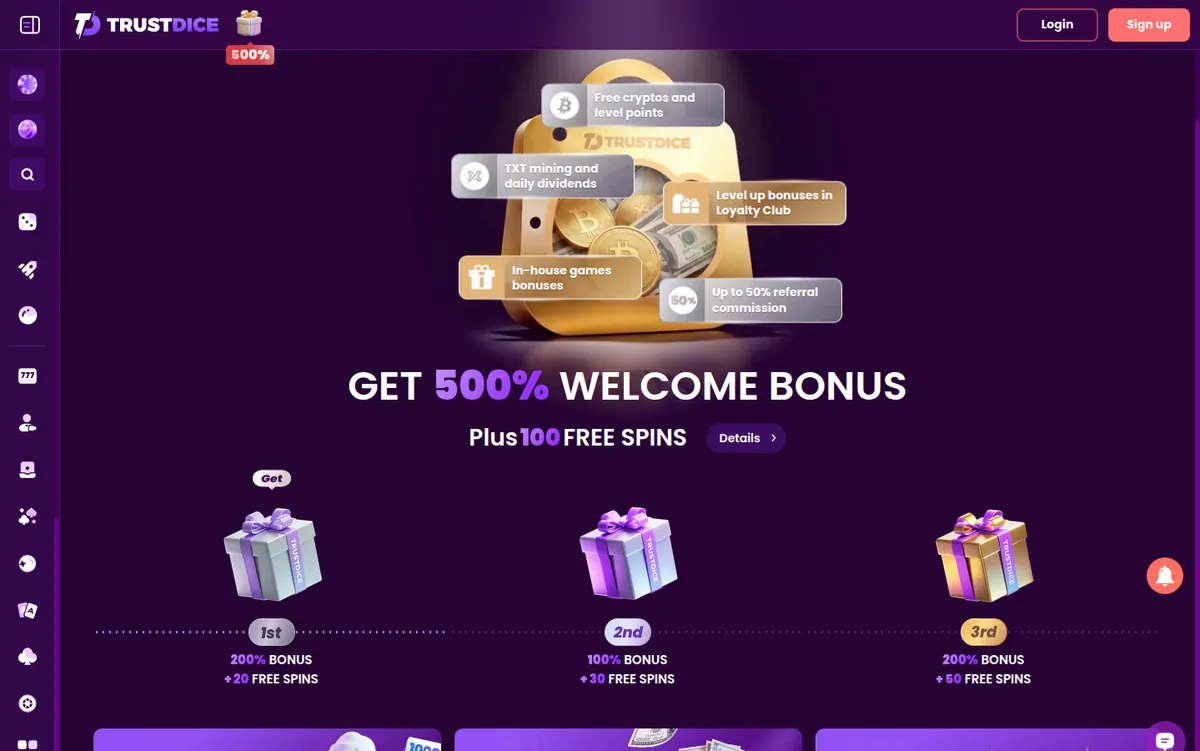
- The wagering multiple on the welcome offer is blank. A 100% match and 25 free spins read as straightforward, and a blank playthrough makes the true cost impossible to work out.
- The withdrawal cap is blank. A blank ceiling sounds generous and behaves like an unknown: it becomes a figure on the day it applies to you.
- The amount you can take out before an ID check is blank as well, with requests handled case by case. What triggers a document request stays hidden until one arrives.
For a New Zealand player, a case-by-case rule leaves the first withdrawal genuinely open: instant, or held for a document request, decided after you have deposited. That uncertainty should be priced into any deposit. These gaps affect the ranking rules because unpublished terms receive no credit.